As a Career & Talent Business Coach, Javi helps digital professionals, freelance consultants, and companies level up their talent game. He's always seeking the sweet spot between career growth, authentic connection, and high-performing teams.
If you’re like me, September doesn’t start with fireworks.
After 3 fantastic weeks of holiday, I come back to an inbox that looks like a crime scene. Half-read threads, “circle back?” pings, meetings everywhere. And in less than 60 days, my manager will ask for 2026 forecasts.
That’s when I say: “If I don’t reset now, the year will run me – instead of the other way around.”
3 hacks I use myself to face September with clarity:
Pick your December win. Not “crush Q4.” Too vague. Instead: By December, what would make me proud? Last year it was launching myself as a freelancer. This year it’s making my personal brand visible to the right people. For you, it could be:
Improving your freelance sales pipeline for autumn. Leading one project that matters.
Write one sentence ➡️ “By December, I will _ so that _.”
Protect your energy, not just your schedule. A busy calendar ≠ progress. So I cut one thing that drains me (goodbye, meetings without agenda 🙃) And add one thing that fuels me, like coaching conversations or deep focus work. If it doesn’t give energy or move the December win needle, it waits.
Run a career pit stop. Before Q4 starts sprinting., I hit pause and ask myself two simple questions:
Do I really see myself in this same project next year?
Is it time to explore a new track?
👉 And If you’re unemployed, this pit stop is even more crucial. It’s not about chasing “any” job. It’s about showing your real value, standing out beyond the job boards, and having a strategy that puts you in front of the right people.
September often trick us. It makes us want to sprint. But what we really need is to anchor, breathe, and choose the right direction.
Here’s where I can help. I’m offering a few 1:1 coaching spots open this month, for professionals who want to sharpen their job search strategy, work on their personal brand or gain clarity for the rest of the year.
Not sure yet? Start small. Book a free 15-min clarity check-in – built for exactly this moment, before September steals your focus.
Last week, I spoke to a client who had over 100 applicants for a job on linkedin … and still couldn’t find a fit.
To me this isn’t a surprise. In 2025, the problem isn’t volume of applicants. It’s how companies look for top tier talent.
Result? 100+ CVs 5–10% are even remotely relevant (and for digital roles? sometimes not even that). Interviews turn into mutual frustration. (you’re thinking “wrong fit,” they’re thinking “wrong job post,” and both sides are questioning life choices 😅)
Cool companies I know do it differently:
They often share content that attracts the right talent.
They activate warm networks: alumni, referrals, former freelancers.
They go outbound with a real strategy (not with “Hi, I came across your profile 💔)
And if needed they partner with people who actually know the market (hi 👋)
This isn’t luck. These companies have a good process. It’s knowing where the good people hide, and how to reach them before your competitors do.
If I lost my job tomorrow and had to start from zero, I wouldn’t panic.
I’d follow a system. One that’s worked for me, for my clients, and for hundreds of digital professionals trying to break back in
Here’s what I’d do, step by step 👇
✅Step 1. Pause and Get Clear Before Applying to Anything
Most people jump straight into job boards.
Instead, I’d grab a blank page and get brutally honest about my positioning.
What specific problems do I solve?
How do I prove the impact I made?
Who’s my ideal employer?
Who decides on hiring there?
This helps me rewrite my CV, LinkedIn, and portfolio with purpose…. …it’s no longer about what I did. It’s about why it matters.
Don’t know where to start? Use the Job Finder Kitto elevate your LinkedIn, improve your CV.
🤖Step 2. I’d do smart research (and let AI help).
I’d review 10–15 relevant job descriptions and understand how companies are talking. What words they use. What they value. Then I’d ask GPT something like: 🧠 “Analyze my CV and LinkedIn vs. this job description. What am I missing? How do I get past ATS filters?”
📊 Step 3. I’d build a job search system that works like a funnel and treat it like a campaign.
Inform my closest network I’m actively looking
Set alerts on LinkedIn & Indeed (and check daily)
Make a target list of 50 companies that fit my values and strengths.
Connect with key people inside those companies.
Send a personalized message expressing interest and asking for a referral.
Follow up (because most people won’t reply the first time).
📢Step 4. I’d make noise (in a good way). Looking is great. But people need to see me.
Go to in-person networking events where I can meet with other peers.
Post and comment meaningfully on Linkedin posts positioning myself as an expert
Visibility builds trust before the interview even happens. Is it a lot? Yes. But looking for a job is a job.
Final Thought
And like any job, it works best when you have a system. Will it feel like a lot? Yes. Will it pay off? Absolutely.
This 4-step system has helped dozens of my clients land high-impact roles faster, with more confidence and less burnout.
With a clear plan, a strong brand, and smart networking, you’ll go from “invisible applicant” to “person they already know.”
Need help building your own system? Let’s work together
❌ Hiring the wrong person ⏳ Or hiring no one and stalling progress?
Tough call, right? Most people I speak to would rather wait than risk a bad hire.
But doing nothing is also a decision … and it costs time, momentum, and your team’s energy.
Here’s a fix that takes 10 minutes:
✔️ What we’re good at ❌ What’s holding us back
Then ask yourself 3 questions:
Do we train someone?
Do we bring in help?
Do we change how we work?
That’s your talent plan. Simple. Effective. Revealing.
Good news? Your team doesn’t have to be perfect.
You just need to know what to fix first.
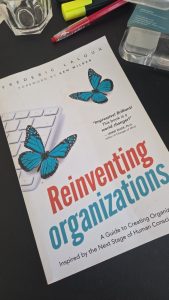
Posting this whilst, I’m re-reading “Reinventing Organizations by Frederic Laloux” and thinking: This is exactly the shift more teams need, less waiting, more adapting. If you’re into building teams that are human-centered, self-managing, and actually built for change… it’s a nice summer read! 📚
Be visible, get hired: it’s not about fame or viral content. It’s about positioning yourself so recruiters, clients, and hiring managers can’t afford to ignore you.
Why Visibility is the Game-Changer
Many talented professionals struggle to land opportunities simply because they remain invisible in a saturated digital world. Even excellent CVs go unnoticed without a strategic personal brand, optimized LinkedIn, and a clear narrative that aligns with your target role.
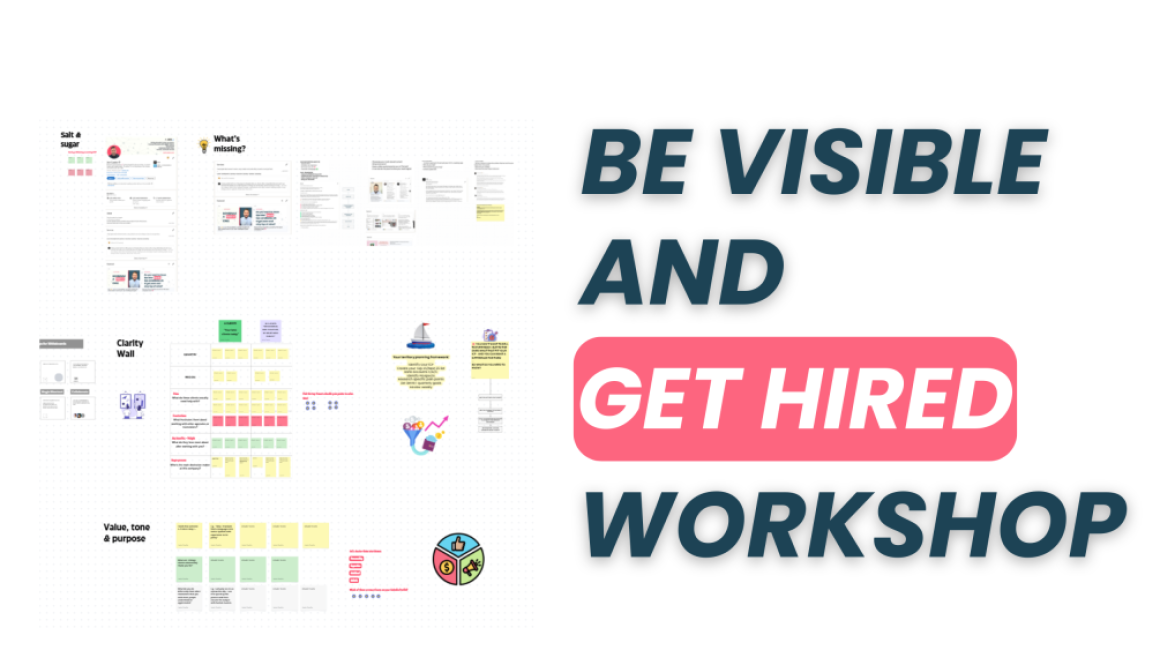
The Be Visible & Get Hired Workshop is your chance to turn your CV and Linkedin into a magnet, for clients, recruiters and the right conversations.
Without pressure. Because you don’t need 10K followers or go viral. You just need the right people to notice you.
4 Key Steps to Be Visible and Get Hired
1. Define Your Niche & Message
Clarify your professional identity: your niche, tone, and value proposition. A positioning summary like “UX researcher for HealthTech startups who makes products accessible” helps filter opportunities and resonate with hiring teams.
2. Align Your Online Presence
Consistently update your LinkedIn, portfolio, and résumé to reflect your niche and goals. Use your positioning summary in your headline, About section, and job descriptions so they form a coherent story. Don’t know where to start?Use the Job Finder Kitto elevate your LinkedIn, improve your CV.
3. Implement a Natural Social-Selling Process
Build awareness through content that showcases your domain expertise:
Share case studies, insights, or mini blog posts on LinkedIn.
Engage with relevant communities and comment thoughtfully.
Send value-first outreach: introductions, thoughtful questions, or feedback, not cold pitches.
4. Measure & Iterate
Track what works. Monitor profile views, contact requests, and interview invites. A/B test headlines, content formats, and outreach messages to see what draws attention.
What’s in it for you?
✅ A positioning strategy that finally makes sense 📄 A personal brand summary (niche, tone, value) ✍️ CV & LinkedIn rewrite 🚀 1on1 Mentorship + feedback to A/B test your social selling strategy 🎁 Bonus: Content ideas + feedback on early outreach
If you’re ready to stop blending in…
Let’s build the profile that finally gets you seen.
“Javi, I might consider a career pivot if the situation continues like this.” That’s what a UX designer told me in a coaching session last week. And honestly? I get it. So, is the UX job market in Belgium in crisis or evolution?
Job postings are down, hiring is tighter, AI is creeping into the design process.
Many UXers are wondering: Am I still needed?
I’ve spent over a decade helping companies build top-tier UX teams and guided 150+ UX professionals to land new jobs. In 2021, I wrote this article analyzing the UX job market in Belgium. Back then, demand was booming. Today? It’s a different story. An industry redefining itself in real-time.
The Talent Carousel
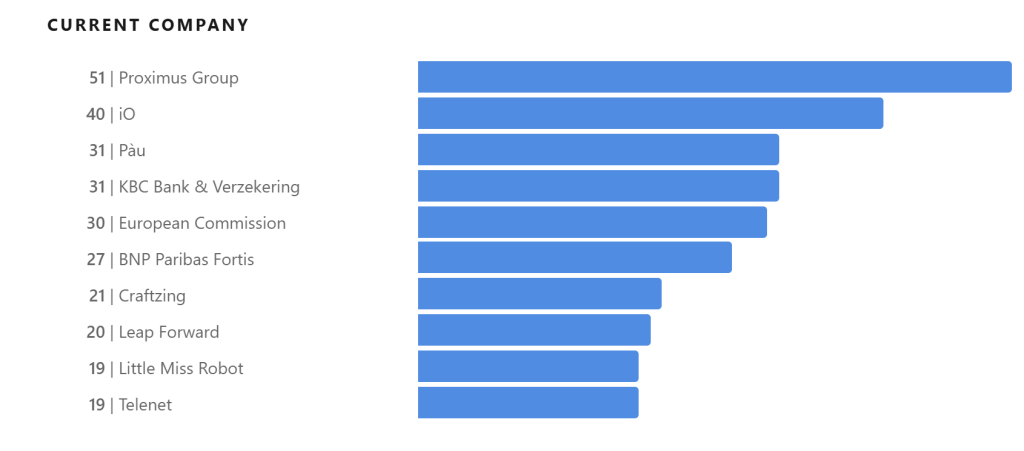
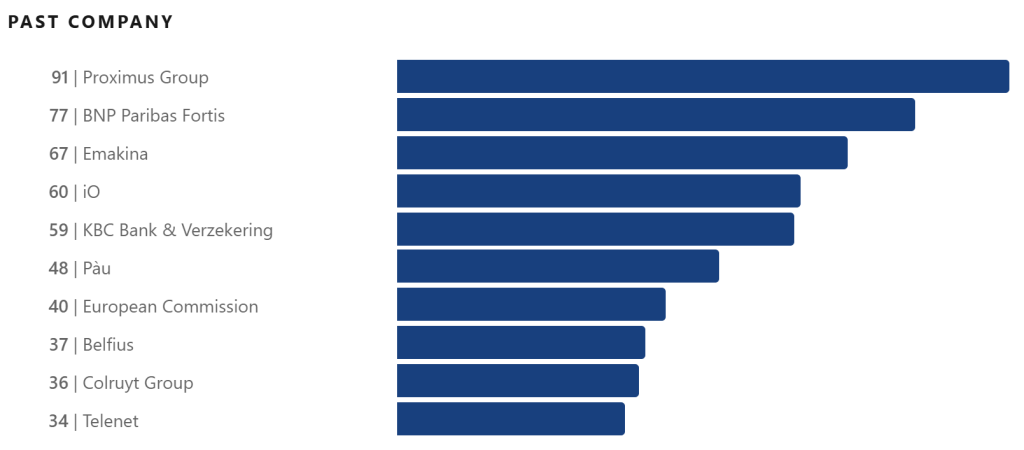
A quick LinkedIn Recruiter search revealed an interesting trend: UX talent keeps rotating almost between the same 10 companies.
So what’s happening here?
Companies outsource UX to staffing agencies and design studios → reducing in-house hiring.
Agencies staff UX designers on short-term projects → leading to more frequent job changes.
When companies bring UX back in-house, they poach from those same agencies.
UX in 2025
The UX market isn’t dying, but it is changing. Companies still need UX professionals, but not just any UX professionals. More UXers are searching for fewer roles, competition is high. The ones who adapt will thrive. The ones who stay static? They won’t.
After dozens of conversations with UXers, hiring managers, and design leaders this is my personal take:
The UX market is maturing.
AI isn’t replacing UXers, but UXers who leverage AI will outcompete those who don’t.
UX careers that stay the same won’t survive, but adaptable designers will.
Employers are more selective than ever.
So how do you make sure you stay competitive? Let’s break it down.
AI in UX: It will reshape who gets hired
Ever since generative AI burst onto the scene, UX designers have been asking the same question: Will AI replace us?
The answer from industry experts? No. But it is changing the game. And the designers who embrace AI will come out on top.
For now, AI is great at:
Automating research synthesis
Speeding up wireframing and prototyping
Synthesizing massive amounts of research data.
But humans are better at:
Understanding emotions and user intent.
Designing for cultural nuances.
Asking the right questions (not just spitting out answers).
68% of UX hiring managers expect demand for UX skills to increase as AI adoption grows (Source: State of UX Hiring 2024 – UX Design Institute). What I can see from my perspective is that the companies I work with want designers who can think, not just execute.
If you’re still designing the same way you did five years ago, you’re already behind.
UX Job Market in Belgium: What’s Really Happening?
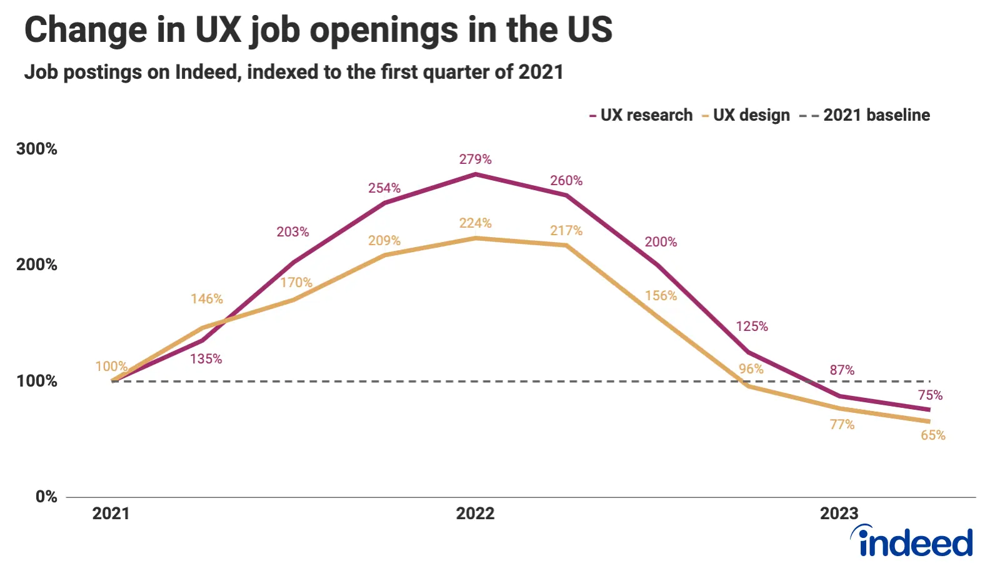
After the pandemic hiring boom, tech companies slammed the brakes in late 2022 and 2023. UX roles took a hit.
📉 Global UX job listings dropped sharply from their 2022 peak.
📉 Belgium was no exception. Banking, insurance, and telecom sectors – major UX employers- slowed hiring dramatically.
Since early 2024, the market has stabilized. I see that job postings have cooled, and employers are looking for UX talent that can deliver impact from day one at a very competitive budget. A common comment from senior freelance UX designers is “Wow, that’s the daily rate I used to bill 5 years ago.”
If you’re a junior UXer, the market is brutal. Bootcamps flooded the industry with graduates, but hiring managers tell me: “We struggle to find great UX/UI designers… and we’re drowning in unqualified applicants.”
The competition is fierce, also in the field of UX outsourcing and staffing which unfortunately translates in a poor candidate experience. Large companies often send the same job brief to multiple agencies and as a consequence talent acquisition turns into a competition of speed over quality, candidates gets spammed, companies get flooded with irrelevant applications, and candidates get excited, then ghosted. No feedback. No Impact. – Javi Cuadra (yes, I’m quoting myself 😉)
And in a slow market, desperation kicks in. Everyone starts selling and submitting applications harder. Ironically, this makes clients even more resistant. In short, fast hiring rarely saves time. It creates turnover, frustration on the applicants, and wasted budgets. Slowing down and hiring with strategy is the real competitive advantage.
What Will Actually Get You Hired in 2025?
“I have experience, but I’m not getting hired”. In a high-competition job market, how do you stand out?. Having years of experience isn’t enough anymore. Here’s what most UX recruiters won’t tell you (but I will! 💡):
📌Many hiring managers aren’t always clear on what they’re looking for, so they rely on candidates to “sell” themselves. If your resume doesn’t grab attention fast seconds, it won’t get read. Hiring managers are more familiar with the business challenges they face and want to see the impact and solutions you can provide. If your resume only mentions things like “wireframing and prototyping” without showcasing your unique contributions, you’re not standing out.
📌 Don’t rely on job boards alone. Many UX roles are filled through networking before they ever hit job boards. Use recruiters as market intelligence, good talent acquisition professional will be happy to share which companies are hiring and how they can make a difference for you.
📌UXers who think like product managers. Don’t just show design work, show the business impact, how it helped the company’s bottom line. You should scream “Here’s what I achieved” not just “Here’s what I did”. I’ve personally screened thousands of UX resumes, the first think I’m looking for is how you created business value.
📌 Specialization. If your skills are broad, highlight one area of deep expertise.
📌 Empathy & Analytical Thinking: Can you design for different audiences and back it up with data?
📌 Adaptability & Autonomy: Can you pivot when projects change? Companies want designers who need minimal hand-holding.
📌 Communication Skills: Can you explain your decisions clearly? UX professionals act as translators, turning user insights into a language stakeholders understand.
On my experience, technical skills might get you an interview, but soft skills will get you the job. As a career coach, I advise: showcase these human skills on your CV and in interviews. Highlight a time you adapted to a sudden change, or how you led a workshop that aligned stakeholders. Those stories stick.
On this las note and as a talent expert myself, I see the hiring landscape is shifting away from degree-based requirements toward demonstrated skills. Skills-based hiring and learning is on the rise, with companies prioritizing hands-on expertise over traditional credentials. Employers are looking for proof of real-world problem-solving: projects, case studies, and results over diplomas.
A UX leader from a Belgian bank recently told me: “I’d rather hire a UXer who communicates well but needs some UI training than a UI wizard who can’t justify their choices.”
Tools come and go. You can always learn Figma, AI, or new workflows. But it’s much harder to teach someone critical thinking, adaptability, and collaboration. These are the skills that will set you apart.
Discover how the Job Finder Kit can guide you to optimize your CV and LinkedIn to get noticed even in a competitive market.
Where Are UX Jobs Heading?
Lean UX Teams, Bigger Impact . Silicon Valley Startups are scaling to $100M ARR with <50 employees. It makes sense that companies are following suit. Expect smaller, high-performing UX teams as well.
The “T-shaped” designer will be in high demand. UX generalists are great, but companies are looking for designers with one deep specialty. Whether it’s AI, accessibility, or UX research, pick an area to go deep on. The near future will reward those who keep learning. As a coach, I encourage you to look at job postings not as checklists to meet 100%, but as a menu of skills to continuously pick up.
AI won’t replace UX, UX will shape AI. You don’t have to be a machine learning engineer, but knowing how to work with AI tools will put you ahead of 99% of designers.
New growth sectors. Belgium’s tech ecosystem is evolving. AI startups, SaaS companies, and deep-tech ventures are growing. If you’re only looking at banks and telcos, you’re missing opportunities.
Final Thoughts
No one has a crystal ball, but by 2030, many of our jobs—including mine—will look completely different. The best professionals evolve with the industry. If I were betting on the future of UX, I’d put my money on adaptability.
For UX professionals, the takeaway is both reassuring and challenging. Reassuring because the world isn’t about to hand everything over to AI or abandon user-centric design. Challenging because to seize these opportunities, you’ll need to be intentional about your growth.
If I were a UX professional in today’s market I’d do a few things:
Be more than just a designer. Because the best designers I ever met don’t just design, they solve business problems and that won’t change.
Network smarter. Belgium’s UX community is active. Many job openings never make it to job boards, stay visible and connected. UX BelgiumUX Ghent . Most people hate networking because they think it means: awkardly messaging strangers, begging for referrals but this is your most powerful strategy to stay top of mind. If you’re applying online, you’re competing with dozens, hundreds of other applicants. Smart networking gives you an edge.
Keep one eye on technological advancements and the other on human-centered fundamentals.
Invest in your skills, both hard and soft.
If you’re a considering a career pivot, ask yourself “Am I frustrated because of the job market, or because I don’t enjoy UX anymore?”. On my experience, not every career frustration means you need a pivot. Sometimes, it means you need a different strategy.
And final and the most important, remember why UX attracted you in the first place: the chance to make technology work better for people.
As a Talent Acquisition Manager, I’ve come to understand that effective performance evaluations are essential not only for individual employee growth but also for aligning our team’s efforts with the overarching goals of the organization. I’ve witnessed firsthand the significant impact of formal review sessions within our team.
My perspective has evolved significantly over the years. Initially, I believed that these evaluations were overrated and that ongoing collaboration and feedback were sufficient Over the years, I’ve developed a structured approach to performance evaluations that emphasizes clarity, collaboration, and continuous improvement, especially with remote teams.
Here’s how I navigate performance evaluations and the invaluable lessons I’ve learned along the way.
Setting Goals that Drive Results
The foundation of any effective performance evaluation begins with setting clear, achievable goals. Each year, I sit down with my team to align individual objectives with our company’s strategic goals. This alignment is crucial for creating a roadmap for both personal and professional growth.
Involving the team in setting these goals is key. When they understand why we measure specific metrics—like the number of qualified candidates per role, conversion rates, and time-to-hire—they become more engaged and motivated. As I often say, “Numbers tell a story,” but it’s the narrative behind those numbers that truly matters. Setting Key Performance Indicators (KPIs) across the recruitment funnel allows us to identify bottlenecks and focus on what’s working. This transparency ensures everyone is moving in the same direction, contributing to the company’s success.
Choose the Right Metrics
From my experience, I’ve found that metrics such as fill rates, time to deliver, and candidate Net Promoter Score (NPS) are invaluable. These KPIs not only provide a quantitative measure of performance but also help align our recruitment efforts with organizational goals.
For instance, when I first implemented these KPIs, we discovered that our time-to-hire was longer than desired. By adopting a data-driven approach and analyzing our metrics, we identified inefficiencies in our screening process. The result? A significant reduction in hiring time.
If you share my passion for reading, I highly recommend Hiring Success by Jerome Ternynck. It’s an excellent guide for anyone looking to build and manage a successful hiring process.
Gather Data for a Full Picture
Once goals are set and metrics chosen, the next step is gathering data that accurately reflects each team member’s performance. I rely on Bullhorn, our Applicant Tracking System (ATS), to track performance, analyze conversion rates, and identify areas for improvement.
One example that stands out is when we noticed low conversion rates from interviews to offers. A closer look revealed a misalignment between how our recruiters were presenting roles and candidates’ expectations. By fine-tuning our messaging, we saw a 20% increase in offer acceptance rates. Without the right data, we might have missed that opportunity for improvement.
Nothing changes if you don’t provide good feedback
Providing feedback is at the heart of performance evaluations. It should be constructive, specific, and actionable. In staffing services, this could involve discussions around improving candidate-client matches or enhancing communication skills.
I firmly believe that feedback is a two-way conversation. From my experience, mastering feedback, and adopting a “feedforward” approach—focusing on future actions rather than past mistakes—has been instrumental in fostering employee growth and engagement. I find that sharing impromptu feedback often proves to be even more powerful than structured evaluations. Catching my team members doing great things and acknowledging them on the spot reinforces positive behaviors.
Inspired by Kim Scott’s book Radical Candor, I emphasize that “clear is kind.” Vague feedback only leads to confusion, so it’s essential to be direct and specific about how team members can improve. For example, instead of saying, “You need to work on your communication,” I might say, “I noticed that during the last client call, your points were clear, but you could have asked more open-ended questions to identify all the pain points of our clients and encourage dialogue. Next time, here you have 3 great questions you may ask…..” This clarity empowers my team to take actionable steps towards improvement.
Create Follow-Up Plans that Stick
After providing feedback, the next crucial step is to create personalized development plans for each team member. These plans should focus on areas critical to their roles in staffing services, identifying specific skills or competencies that require enhancement.
For instance, if a team member struggles with sourcing candidates, we may create a plan that includes training on advanced sourcing techniques, regular check-ins to discuss progress, and the opportunity to shadow a more experienced recruiter. This targeted approach ensures that our team members not only know where they need to improve but also have the resources and support to do so.
Common Mistakes TA Managers Make and How to Avoid Them
As I reflect on my experiences, I’ve noticed a few common mistakes that many people managers make during performance reviews:
Lack of Preparation: Performance evaluations fall flat when managers don’t prepare properly. Always gather relevant data and feedback ahead of time.
Vague Feedback: General feedback can leave employees confused. Be specific and provide concrete examples so they know exactly what to work on.
Infrequent Check-Ins: Annual reviews shouldn’t be the only time you give feedback. Regular check-ins throughout the year help avoid surprises and keep your team on track.
In short, effective performance evaluations for your Talent Acquisition team are not just about assessing past performance; they are an opportunity to shape future success. As you implement these strategies, remember to avoid common pitfalls and focus on cultivating a culture of continuous improvement. The result will be a more motivated and productive team!
As I reflect on my journey in the staffing industry, I can’t help but think about the lessons I’ve learned along the way. When I first started, I was filled with enthusiasm and ambition, but there were crucial insights that I simply didn’t have. With ten years in the field now, I’ve come to appreciate the value of these lessons—not only for my personal growth but for anyone looking to make their mark in this competitive industry.
Here are five things I wish someone had told me at the start of my journey.
Your Network is your Net Worth
Building relationships with industry peers and candidates is invaluable. Early on, I wish I had prioritized networking even more, as the connections I’ve made have opened doors and provided support during challenging times. Investing in relationships pays off, and I’ve learned that the quality of my connections is far more important than quantity.
I’ll never forget my first major placement, a UX designer for a prominent Belgian bank. It was a last-minute rush, and I managed to connect with a candidate through a mutual acquaintance I had met at a local UX meetup. That connection not only helped me fill the position but also led to a long-term partnership with the bank, resulting in several more placements down the line. The quality of my connections has always outweighed the quantity.
If there’s one thing staffing will teach you, it’s that you can’t control everything. Markets shift, technologies change, and suddenly, your best-laid plans go up in smoke. Early on, I learned that being adaptable isn’t just a nice skill, it’s a survival tactic.
Adaptability is Key
In my own experience, being willing to pivot has been essential. For instance, during the pandemic, I had to adjust my strategies dramatically to meet the new demands of remote recruitment. As many companies paused hiring, I found myself needing to pivot quickly. Instead of focusing solely on active placements, I began offering free workshops and career coaching sessions to candidates in my network.
Embracing change and maintaining an open mind have allowed me to seize opportunities that might have been overlooked. Whether it’s shifting market trends or client needs, staying agile is crucial. As you navigate your career in staffing, remember: being adaptable isn’t just an asset; it’s a necessity.
Be Unique and Fight Your Corner
The staffing industry is highly competitive, so differentiation is a necessity. In my case, I hyper-specialized in the talent acquisition of user experience and customer experience experts in the digital field in Belgium. Over the last 10 years, I’ve been recruiting digital teams for European leading brands, resulting in the hire of 200 digital professionals. Specialization not only helps in establishing a personal brand but also enables me to offer unique insights and value to clients and candidates alike.
Establish a Strong Personal Brand
Staffing is competitive. If you don’t stand out, you blend in, and blending in doesn’t get you anywhere. I figured out that specialization is the way to differentiate yourself. For me, it meant hyper-specializing in UX and customer experience experts for digital teams in Belgium. Over the years, this focus has led to placements with some of the biggest European brands and built a reputation I’m proud of.
Some strategies that have worked well for me include writing my own content, specializing in specific areas, and offering added value through portfolio advice, coaching, and career counseling. Establishing a strong personal brand takes time and effort, but trust me, the results are worth it.
Working remote: The importance of Emotional Intelligence
One lesson I’ve learned the hard way is how vital emotional intelligence is working as part of a remote team. Understanding team dynamics and the emotional states of individual members has been key to building a cohesive and productive environment. By recognizing the feelings and motivations of my team, I’ve been able to foster trust and connection, which ultimately leads to better collaboration and performance. So, don’t overlook the human element; it’s crucial in this line of work.
As I wrap up these reflections, I realize that every lesson learned has shaped my perspective on staffing and recruitment. The journey hasn’t always been smooth, but each challenge has contributed to my growth and understanding of what it takes to succeed in this industry. If you’re just starting your career in staffing, I encourage you to take these lessons to heart. Remember, success in staffing is not solely about filling positions; it’s about the relationships you build, the adaptability you demonstrate, and the unique value you offer to others.
Leading remote teams effectively is an art that combines trust, autonomy, and a human-centered approach to leadership. As managers, we often focus on productivity, but engagement and connection are just as crucial for success. Here’s what I’ve picked up along the way about how to keep your remote team motivated and, more importantly, connected.
1. Trust, Autonomy and clear Goals
Without trust, you can’t build anything. This doesn’t happen overnight, it’s a daily job. Trust is earned by showing that you respect your team’s expertise and judgment.
In my experience, once I started involving my team more in decisions, it made a huge difference. They felt valued and more invested in the outcomes. And let’s face it: as managers, we sometimes think we have all the answers. But the truth is, the best ideas often come from our team members. By building that trust, you’re setting the stage for a more engaged and motivated team.
Autonomy goes hand-in-hand with trust. Remote work, by its nature, requires team members to be self-starters. But if you’re constantly looking over their shoulders (virtually speaking), you’re killing their motivation. Give your team the autonomy to manage their tasks, and you’ll see them take more initiative.
Finally, to ensure everyone is aligned and focused, we place a strong emphasis on goal-setting and measurement with clarity. “Clear is kind”. Each team member knows what success looks like, and we regularly check in to measure progress. This clarity not only drives accountability but also reinforces trust, as everyone understands their role and how their contributions impact the larger objectives.
2. A good tool stack
I’ve found that using Teams or Slack with cameras on helps create that face-to-face connection we all miss. I’ve found that regular video check-ins, where we can see each other’s expressions and body language, make a significant difference in maintaining team cohesion. But that’s just the beginning. Tools like Trello, Miro, or Loop help us visualize our work and manage projects efficiently.
The key here is not just using these tools but using them effectively. For example, we use Miro for brainstorming sessions, which helps everyone feel like they’re part of the conversation, even if they’re halfway across the world. This kind of engagement is crucial in a remote setup.
3. Respect Their Time off, again, respect it their time off
Remote work doesn’t mean 24/7 availability. Respect your team’s personal time and establish clear communication rules to maintain a healthy work-life balance.
I’m strict about respecting rest hours. We’ve established clear rules about communication channels and working hours. For example, we avoid scheduling meetings outside of agreed-upon hours, and we’re mindful of different time zones. It’s equally important to keep virtual meetings to a minimum. Before scheduling a meeting, I always ask myself, “Does this really add value?” If not, it’s an email or a message on Slack.
4. Embrace Agile Practices and Frequent Check-Ins
We’ve adopted an agile way of working, tailored to our needs. Scrum ceremonies, like sprint planning, daily syncs, and retrospectives, are a big part of this. These frequent check-ins allow the team to stay aligned, address challenges, and celebrate small wins.
One of the most valuable aspects of these ceremonies is the sprint retrospective. It’s a safe space where the team can speak up about communication and process issues. It’s not just about what went wrong; it’s about what we can do better next time. This kind of continuous improvement keeps the team engaged and moving forward.
5. Celebrate, Recognize, and Give Feedback
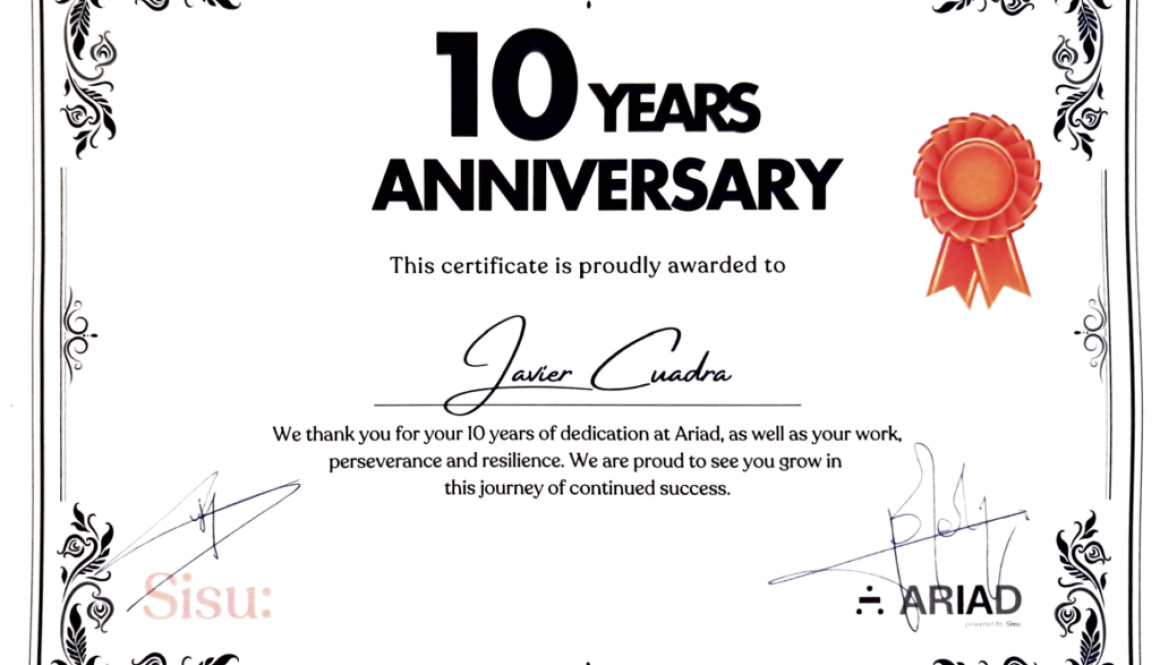
Celebration and recognition might seem like small things, but they have a big impact. I make it a point to acknowledge achievements publicly, whether it’s a project milestone or a work anniversary.
Feedback is just as crucial, if not more so, in a remote context. But here’s the thing, timing is everything. Instead of waiting for the next scheduled one-on-one, I’ve found that addressing issues as they arise in a timely and respectful manner leads to better outcomes.It shows your team that you care about their growth, not just the bottom line.
I make it a point to schedule regular one-on-ones where we can discuss not just performance, but also challenges, opportunities, and personal growth. These sessions are an opportunity to connect on a deeper level and ensure that each team member feels supported and valued. I also make myself available during specific times each day, so my team knows when and how to reach me if they need immediate feedback or support. Avoid at all cost becoming an absent manager.
6. (Bonus) Gamification: Use It Wisely
Gamification can be a fun way to engage your team, but it’s all about balance.
Overdo it, and you’ll kill the effect. For example, with my sales and talent acquisition team, we run challenges where we created a points system where achievements, like securing a new client or successfully filling a role, earned team members points that could be redeemed for small rewards. It’s light-hearted, creates a bit of friendly competition, and most importantly, it keeps everyone engaged. But we keep it low-key, less is more. Overdo it, and you risk turning a motivator into just another task on their to-do list.
Motivating a remote team isn’t about having all the right answers; it’s about creating a space where your team feels heard, valued, and connected. In the end, it’s about fostering a culture where everyone feels like they’re part of something bigger, even when they’re miles apart.
Summary of the key learnings
Cultivate a trust-driven culture: Trust is foundational.Trust your team and give them the space to perform.
Clear goals and metrics: Clear is kind. Establish specific, measurable goals across all levels to ensure alignment and accountability.
Effective Use of Communication Tools: Utilize tools like Teams, Slack, Trello, and Miro to maintain high-fidelity communication and visualize work. Keep cameras on during calls to foster a sense of connection.
Honor Work-Life Balance: Set clear boundaries and respect rest hours.
Adopt agile practices: Implement SCRUM ceremonies and frequent check-ins, like sprint planning and retrospectives, to keep the team aligned and provide a safe space for open discussions.
Celebrate Successes and Provide Feedback: Regularly recognize achievements and maintain frequent 1-on-1s to discuss performance, challenges, and career aspirations.
Use Gamification Thoughtfully: Incorporate gamification to boost engagement but do so sparingly to maintain its effectiveness
Be available for your team. Your team knows when and how to reach you if they need immediate feedback or support. Avoid becoming an absent absent manager.
Remember, leading remote teams is about creating an environment where people feel heard, valued, and connected, no matter where they are.
Have you ever been bombarded with calls for the same freelance job opening? You know the drill … your phone rings, and it’s yet another recruiter offering you the exact same opportunity you’ve already heard about ten times. Welcome to Spam City, where everyone’s in a mad rush to get your CV, often without even bothering to have a real conversation with you. But let’s cut through the noise for a second; how do you actually choose the right partner to work with? How do you know which recruiter is going to be a genuine ally in your freelance journey?
Let’s dig into what’s really going on and how you can navigate this red ocean of opportunity hunters.
The Behind-the-Scenes Reality of Contractor Job Openings
Here’s the deal: a lot of freelance openings are handled by procurement departments in big companies, and their main focus? Negotiating costs and juggling multiple agencies. Sounds efficient, right? Not always. This setup often turns into a feeding frenzy where multiple recruiters are fighting over the same roles, racing to deliver “fast, good, and cheap” candidates.
The result? Your CV might get pushed through the door without anyone taking the time to understand you—your goals, your preferences, or whether the role even fits. Worse, you might be left in the dark, with zero feedback, wondering if anyone even noticed your application. Frustrating? Absolutely. I’ve been there.
How to Identify the Right Recruitment Partner
After a decade in the talent game, I’ve seen it all. And I’ve learned that finding a good career partner isn’t just about who can get you in front of a client the fastest. It’s about working with someone who adds real value to your career. So, before jumping in with a recruiter, ask yourself (and them) these three key questions to figure out if they’re the real deal or just chasing their numbers.
1. What’s Your Legacy with This Client?
Start by getting a sense of the recruiter’s relationship with the company they’re representing. Do they know the company well? Do they understand its challenges, culture, and what it’s really like to work there? A good recruiter should have these insights at their fingertips, reflecting a deep and ongoing relationship with the client.
If they can’t tell you much beyond the job description, that’s a major red flag. You want someone who’s embedded in the company, not just taking a shot in the dark. A recruiter who has a strong relationship with the client will have a much better understanding of whether you’re a good fit.
2. Do You Have Any Other Consultants Working There?
This question is like asking for references, but flipped. A good recruiter will have placed other consultants with that client and should be able to connect you with them. Not only does this give you insight into what it’s like to work there, but it also tells you something important: this recruiter has a proven track record with the company.
If they can’t give you examples of other consultants they’ve placed, you might be dealing with someone who doesn’t have as strong of a foothold in the company as they claim. And that’s a risk.
3. What Else Can You Tell Me Beyond What’s in the Job Description?
This is your chance to see if the recruiter has done their homework. If they can go beyond the generic job description to provide deeper context about the role, the team, and the company’s long-term goals, you’ve got a winner. It shows they’re committed to finding the right fit, not just filling a vacancy ASAP.
A recruiter who truly knows their stuff will help you see the bigger picture and how the role fits into your broader career plan.
Pro Tip: Don’t Gamble on Your Career
Think about it: you wouldn’t get married without really knowing and trusting your partner, right? (Unless you’re in Las Vegas and feeling spontaneous.) The same goes for your professional relationships. Don’t commit to working with a recruiter—or an agency—without making sure they’re as invested in your success as you are.
Build strong relationships with a few key partners, and track where your applications are going. Working with two or three agencies gives you a broader reach without the confusion of duplicate opportunities flooding your inbox.
So, the next time a recruiter calls you, don’t just listen to their pitch. Ask the right questions, make sure they’re in it for the long haul, and find someone who’s committed to your success. Because in the end, the right partner can be the difference between landing just another gig and building a career you’re genuinely proud of.